Responsible gambling is about staying in control—of time, money, and decisions—so gambling stays entertainment rather than becoming a problem. In New Zealand, there are also practical support services and venue rules designed to reduce harm. This guide explains responsible gambling in simple, actionable terms, including what to do if gambling stops feeling fun.
How to Gamble Responsibly in NZ
There’s no “perfect” rule that fits everyone, but responsible gambling usually means:
- you gamble with money you can genuinely afford to lose
- you set limits before you start (spend and time)
- you don’t chase losses
- you treat gambling as entertainment, not a way to make money
- you take breaks and keep balance with work, family, and hobbies
Set Your Limits Before You Start
Set a money limit (and treat it as “spent”)
Decide a fixed amount you’re comfortable losing and treat it like the cost of a night out. Once you hit that amount, you stop—no top-ups, no exceptions.
Simple method: set a weekly entertainment budget and allocate only a small portion to gambling. Keep it separate from bills, rent/mortgage, food, and savings.
Set a time limit (because time drives spend)
Time limits matter because longer sessions usually lead to higher overall spend. Use a timer on your phone and set an end time in advance.
Tip: if you notice you regularly extend sessions “just a bit longer,” that’s a sign to tighten your limits and take longer breaks.
Set a loss limit (not just a deposit limit)
Some players only think in deposits. A more protective approach is a true loss limit: the maximum you’re willing to lose in one session/week. If you’re up, consider banking the win and stopping early.
Understand the Two Big Risk Triggers
Chasing losses
Chasing losses means increasing bets or extending play to “win back” money. It’s one of the fastest routes to harm because it pushes decisions into emotional mode instead of planned mode.
Rule: losses are part of gambling. If you can’t accept the loss, you shouldn’t gamble in that moment.
Gambling to change your mood
Gambling when you’re stressed, angry, lonely, bored, or down can turn gambling into a coping strategy. That pattern is linked to loss of control because the goal becomes emotional relief, not entertainment.
Better alternatives: take a walk, call someone, hit the gym, watch a show, or do something that shifts your state without financial risk.
Know How the Games Actually Work
Understanding the mechanics helps reduce “false beliefs” like being “due a win.” Most gambling games rely on randomness and house edge, which means outcomes aren’t predictable in the short term.
Slots/pokies are RNG-based
Most slot-style games use a random number generator (RNG). Previous spins do not affect future spins. A long losing run does not mean a win is “about to happen.”
If you want a simple explanation of how slot-style games work, see:
how pokies work in NZ.
Bonus offers don’t remove risk
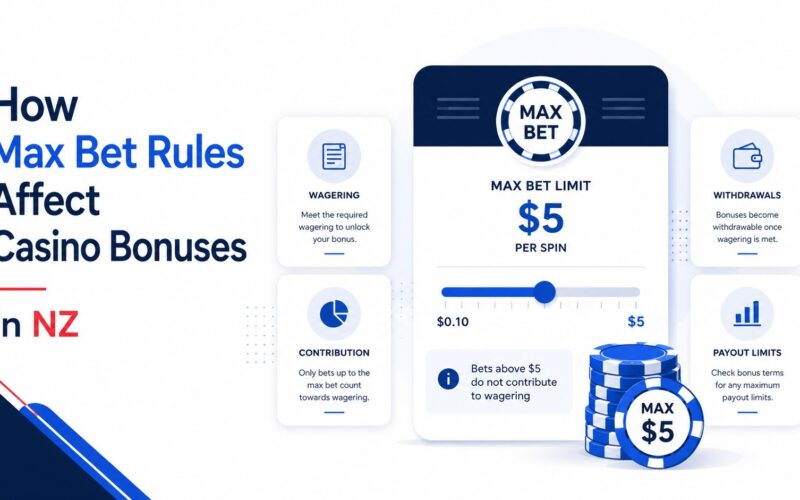
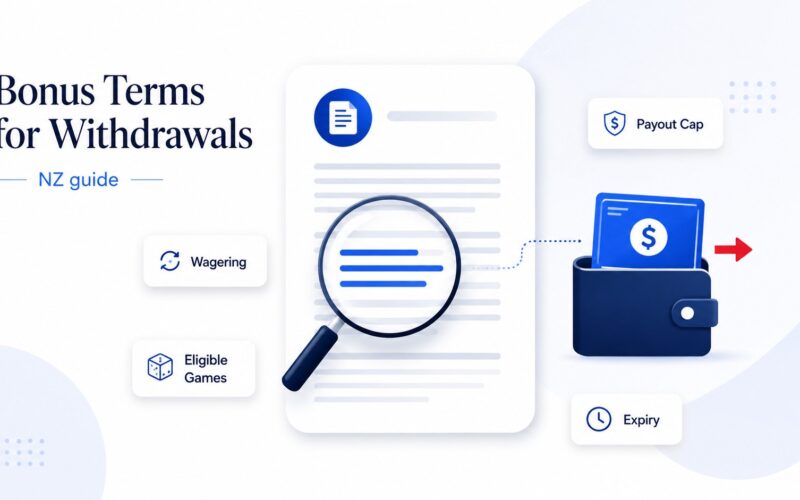
Bonuses can add value, but they often come with wagering requirements, max cashout caps, game restrictions, and time limits. Those conditions can push people to play longer than planned.
If you’re using promotions, understand the rules first:
NZ casino bonuses explained simply.
Low entry cost can also create a false sense of control. That is why it helps to look more critically at whether $1 and $5 minimum deposit casinos are worth it, especially if the offer encourages extra play through attached terms or repeated small deposits.
Practical Habits That Keep You in Control
Never borrow money to gamble
If gambling requires borrowing, it’s already beyond a safe entertainment budget.
Avoid alcohol and gambling together
Alcohol reduces decision quality and makes it easier to ignore limits. If you drink, lower your limits or skip gambling entirely.
Don’t gamble when you’re tired
Fatigue reduces self-control. You’re more likely to keep playing past your planned stop point.
Use “cooling-off” breaks
Even short breaks help. Stand up, get water, walk outside, or switch activities. A five-minute reset can prevent impulse decisions.
Track your sessions
Most people underestimate time and money spent. A simple note on your phone—date, spend, time, and how you felt—creates awareness and makes patterns obvious.
Warning Signs Gambling Might Be Becoming a Problem
It’s worth paying attention if you notice any of these signs:
- you gamble longer or spend more than planned
- you feel anxious or irritable when trying to stop
- you hide gambling from family/friends
- you chase losses or increase stakes to recover money
- you use gambling to escape stress or emotions
- you miss work, study, or family commitments
- you borrow money or sell things to fund gambling
- you’ve tried to stop and couldn’t
One sign doesn’t automatically mean you have a gambling problem, but it can be an early signal to pause, reset limits, and seek support.
What to Do If You’re Worried (or Not in Control)
1) Stop and take a break today
If gambling feels urgent or compulsive, don’t try to “manage it later.” Step away now, even for 24 hours. Remove easy access: log out, delete apps, and avoid triggers.
2) Tell someone you trust
Shame thrives in silence. A quick conversation with a friend/partner can reduce the pressure to keep gambling and can help you follow through on limits.
3) Use NZ support services
New Zealand has free, confidential services that can help you understand what’s happening and build a plan. If you’re in immediate distress or feel unsafe, seek urgent help right away.
Common NZ options include:
- Gambling Helpline NZ (free, confidential support)
- local counselling and support services
- your GP or a mental health professional
Note: contact details and availability can change, so search “Gambling Helpline NZ” for the current phone/chat options.
A Simple Responsible Gambling Plan
- My spend limit: $____ per week
- My time limit: ____ minutes per session
- My stop-loss limit: $____ per session
- My rule: No borrowing, no chasing losses
- My warning sign: If I feel “urgent,” I stop immediately
- My support step: I message/call ____ if I’m not in control
FAQ
What is responsible gambling?
Responsible gambling means staying in control of time and money, sticking to pre-set limits, and treating gambling as entertainment rather than a way to earn income.
How do I set a realistic gambling budget?
Start with your essential expenses and savings first. Whatever is left for entertainment, allocate only a small portion to gambling and treat it as money you can afford to lose.
Why is chasing losses risky?
Because it shifts decisions into emotional mode and often leads to bigger, faster losses. Past outcomes don’t increase your chances of a win on the next bet.
Do casino bonuses encourage people to gamble more?
They can, because wagering requirements and expiry windows may push longer sessions. If you use bonuses, read the terms and keep strict time and spend limits.
Where can I get help in New Zealand?
New Zealand has free and confidential support services, including the Gambling Helpline. If you’re worried about your gambling or someone else’s, reaching out early is a strong step.
Important: This article is educational only. We don’t operate any gambling service. If you need urgent help right now, skip to the support section below.
Last updated: January 2026
Related Posts